Your WRX Is Throwing the Same Code Again — Here's Why Deleting It Isn't the Answer
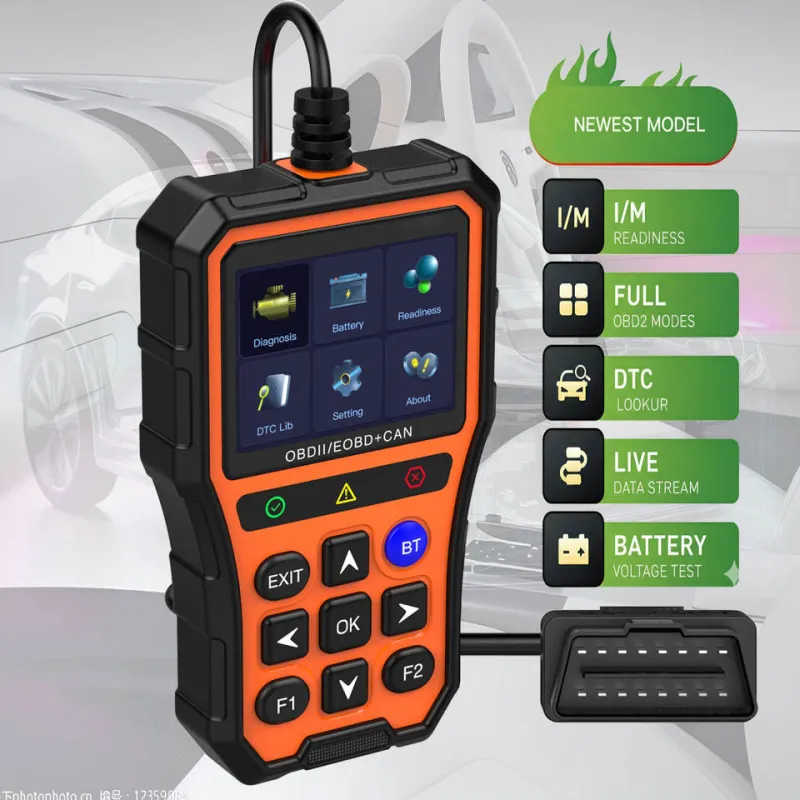
Photo: car OBD2 scanner check engine light diagnostic port subaru, via s.alicdn.com
You've cleared the code three times this month. The light goes off, you drive happy for a week, and then — there it is again. That amber glow on your dash, mocking you like it's got nowhere else to be. If that sounds familiar, welcome to the DTC delete trap, and you've got plenty of company.
For modified WRX owners, diagnostic trouble codes aren't always the doom-and-gloom signals they are on a stock commuter car. But they're not meaningless noise either. The problem is that too many enthusiasts treat them like an inconvenience to be dismissed rather than a message worth decoding. Let's talk about why that approach keeps failing — and what you should actually be doing instead.
What a DTC Delete Actually Does (And Doesn't Do)
When you plug in an OBD-II scanner and clear a code, you're not fixing anything. You're telling the ECU to stop flagging a condition it has already detected. The underlying fault — whether it's a sensor reading out of range, a fueling inconsistency, or an emissions component that's been removed — is still there. The ECU will run its diagnostic monitors again during the next drive cycle, detect the same issue, and log the same code. Rinse and repeat.
This is especially common on tuned WRXes where the map hasn't been properly updated to account for hardware changes. An aftermarket intake, a catless downpipe, or a flex fuel kit that wasn't factored into the tune creates a mismatch between what the ECU expects to see and what it's actually reading. No amount of clearing will resolve that disconnect.
The Most Common Repeat Offenders on Modified WRXes
P0420 / P0421 — Catalyst Efficiency Below Threshold
This is probably the most-deleted code in the WRX community, and for good reason — if you've swapped to a catless or high-flow catted downpipe, your factory catalyst is gone. The ECU knows it. A tune that doesn't properly account for this, or a generic off-the-shelf map that hasn't been dialed in for your specific setup, will keep triggering this code indefinitely. A proper pro tune or a reputable e-tune that specifically addresses post-cat O2 sensor behavior is the only real fix.
P0171 / P0174 — System Too Lean
Lean codes on a modified WRX almost always point to a fueling problem that the factory tune can't compensate for. Common causes include an upgraded intake with a larger airflow volume than the ECU expects, a failing or undersized fuel pump that can't keep up with demand under boost, or injectors that are too small for the power level being requested. A delete here isn't just useless — it's potentially dangerous. Running lean under boost is one of the faster ways to damage a motor.
P0300 Series — Random/Multiple Cylinder Misfires
Misfires on a modified FA20 or FA24 can come from a handful of places: spark plugs that are too hot for a boosted application, ignition coils that are on their way out, or fueling that's inconsistent across cylinders. On a tuned car, misfires sometimes appear at specific RPM ranges where the map has a gap or an overly aggressive ignition timing value. Clearing the code tells you nothing about which cylinder is misfiring or when.
P0028 — Intake Valve Control Solenoid Circuit (Bank 1)
This one catches people off guard. On WRXes with AVCS (Active Valve Control System), this code often shows up after a tune that's been too aggressive with cam timing, or when the AVCS solenoid itself is getting worn. It's also a common ghost code on cars that have had oil changes neglected — the solenoid is oil-pressure dependent, and dirty oil affects its response time.
The Troubleshooting Approach That Actually Works
Before you reach for the scanner to clear a code, run through this mental checklist:
1. When did it first appear? Did it show up after a modification, after a tune, or seemingly out of nowhere? Timing matters. A code that appeared immediately after installing a new intake is almost certainly related to that intake.
2. Is it a hard fault or a pending code? A pending code means the ECU has detected a potential issue but hasn't confirmed it across multiple drive cycles. A hard fault has been confirmed. Pending codes sometimes resolve on their own; hard faults almost never do.
3. What does the freeze frame data say? Every code stores freeze frame data — a snapshot of engine conditions at the moment the fault was logged. Load, RPM, coolant temp, fuel trim values. This is gold. If a lean code is logging at high RPM under boost, that's a very different problem than a lean code at idle. Most halfway-decent OBD-II apps (Torque Pro, OBD Fusion, or a dedicated Accessport if you're running one) will show you this data.
4. Have you actually addressed the root cause? If the answer is no — if you've just been clearing and hoping — stop. You're wasting time and potentially masking something that's getting worse.
What Actually Fixes It
For emissions-related codes on a car with a catless setup, the solution is a tune that properly manages the rear O2 sensor signal. Some tuners do this by disabling the rear O2 monitor entirely within the ECU calibration. It's not a trick — it's a legitimate adjustment that matches the tune to the hardware configuration.
For fueling and boost-related codes, a proper dyno tune or a quality e-tune from a reputable Subaru-specific tuner (think Merrill Performance, Delicious Tuning, or similar shops with FA-platform experience) is the path forward. These aren't cheap, but they're significantly less expensive than a rebuilt motor.
For sensor and solenoid codes, don't overlook the basics. Check oil condition, inspect wiring harnesses for chafing or corrosion, and verify that any aftermarket components were installed correctly. A loose MAF sensor connector causes more lean codes than actual fueling problems.
The Bigger Picture
A modified WRX that's been tuned correctly for its specific combination of parts shouldn't be throwing codes constantly. That's the goal. The ECU should understand what the car is doing, and the tune should reflect the hardware. When codes keep coming back, it's the car's way of telling you there's still a mismatch somewhere.
Deleting codes buys you peace of mind for about a week. Fixing what's actually causing them buys you a car that runs right. One of those is a real solution — and if you're serious about your build, you already know which one it is.