Stance, Rally, or Sleeper: The Three WRX Aesthetics and What Each One Really Costs
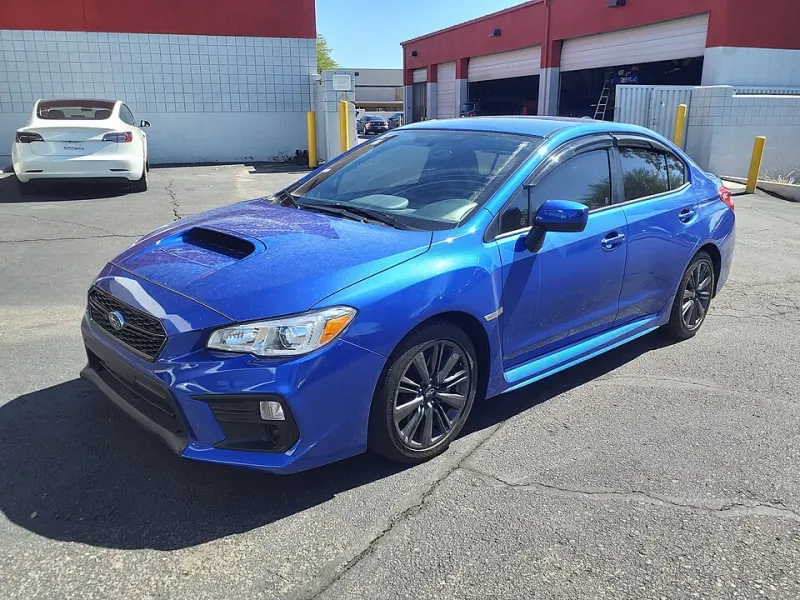
Photo: HJUdall, CC0, via Wikimedia Commons
Spend ten minutes in any WRX parking lot at a Cars & Coffee and you'll notice the community has sorted itself into three camps. There's the slammed-and-wrapped crowd, the rally-replica crowd, and the ones who look completely stock until the boost gauge says otherwise. All three are valid. All three cost very different amounts. And only one of them is easy to sell in five years.
Camp One: Stance and Show
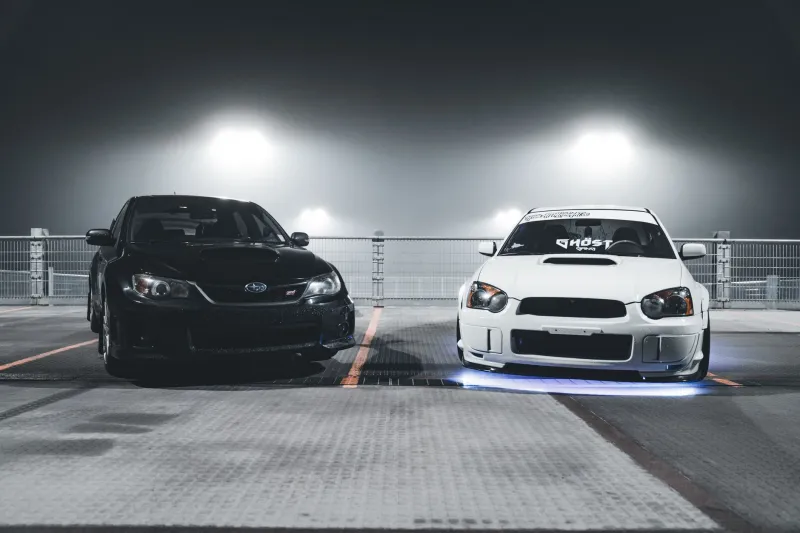
The look: aggressive fitment, lowered hard, often wrapped in a color that doesn't exist in Subaru's palette. Think -2 degrees of camber, stretched tirewalls, and a wheel lip that kisses the fender.
Realistic budget:
- Coilovers with enough adjustment to actually get low: $1,200–$2,200
- Wheels and tires with proper fitment: $2,000–$3,500
- Full vinyl wrap: $2,500–$5,000 professionally, or $600 in material if you're brave and have a heated garage
- Camber arms and alignment work: $400–$800
Total: roughly $6,000–$11,000
The daily reality: here's what the Instagram posts don't show. A properly stanced WRX is a commitment. Driveway aprons become tactical obstacles. Passengers need a running start. And tires that look that good usually wear fast and grip worse in rain — which matters in a car whose whole identity is all-weather capability.
Resale impact: brutal, honestly. A wrapped, slammed WRX narrows your buyer pool to a small slice of enthusiasts, and those buyers know they're negotiating. Expect to eat 30-50% of your appearance spend at sale time.
Camp Two: Rally-Inspired
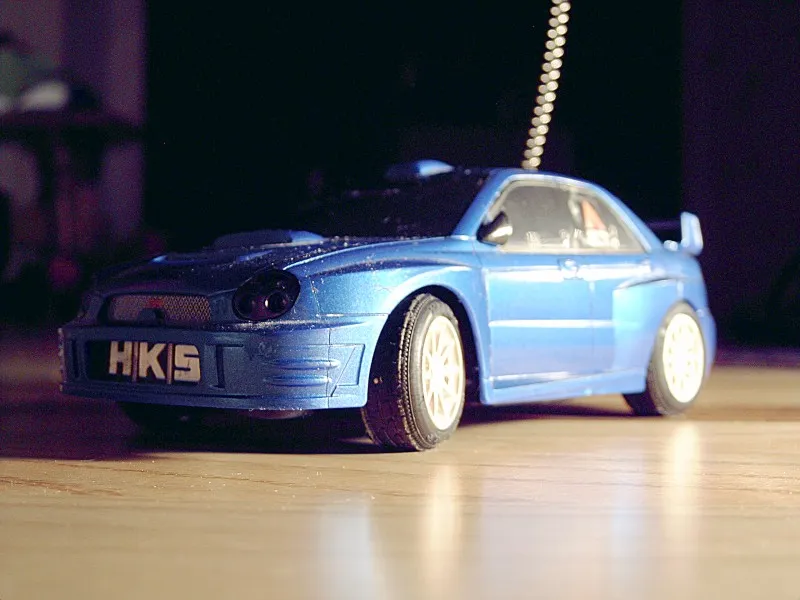
The look: mudflaps, rally armor, light bars or pod lights, lift kits or spacers for a bit of ride height, maybe a roof rack and a gravel-spec wheel. This aesthetic leans into what the WRX's badge actually means.
Realistic budget:
- Mudflaps and skid plate: $300–$600
- Small lift kit or rally springs: $400–$1,000
- All-terrain or gravel tires on 17s: $1,200–$1,800
- Light pods, roof rack, decals: $500–$1,500
Total: roughly $2,500–$5,000
The daily reality: this is arguably the most livable of the three. You keep ride height, you keep all-weather competence, and gravel-road driving actually becomes fun instead of cringe-worthy. The main tradeoff is highway noise from AT tires and a slight fuel economy hit.
Resale impact: surprisingly decent. The rally aesthetic has broad appeal in the US — it reads as "adventure-ready" rather than "beaten on." A clean rally-styled WRX can actually command a small premium over a plain stocker in certain markets.
Camp Three: The Sleeper
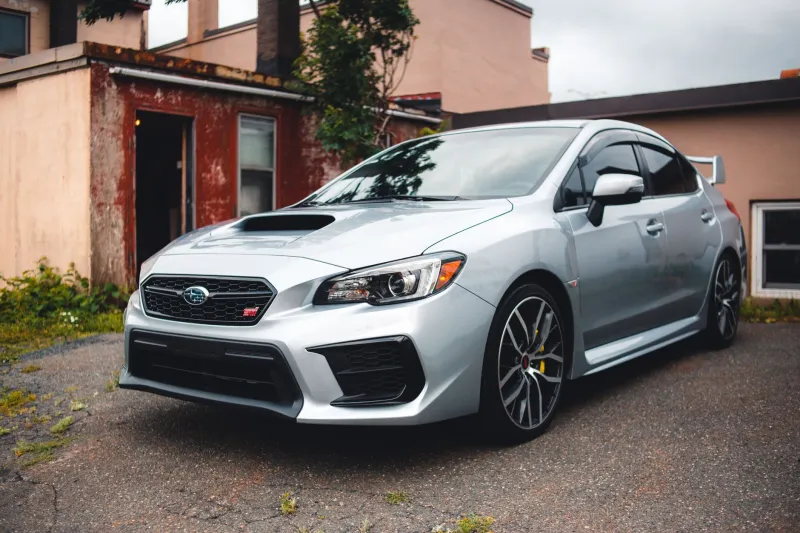
The look: stock wheels or subtle OEM+ styling, nothing flashy, maybe tinted windows. The money went somewhere you can't photograph.
Realistic budget:
- Tasteful wheels or keeping stockers: $0–$1,500
- Tint and minor trim: $300
- Everything else went into the engine bay, which is its own budget conversation
Total appearance spend: under $2,000
The daily reality: the easiest of the three. Full ride height, full tire performance, zero drama over speed bumps, and nobody at the gas station asking what you've done to it — which is exactly the point.
Resale impact: the strongest. A clean, stock-looking WRX appeals to the widest buyer pool, and if the mods under the skin are documented and reversible, you can always return to factory spec for sale time.
Insurance: The Part Nobody Budgets For
Whichever camp you pick, call your insurer before you buy wheels. Custom parts and equipment coverage is usually cheap — often $50–$100 a year for meaningful coverage — but if you don't declare the $4,000 wheel set and someone keys your car in a parking garage, you're eating that loss. Sleeper builds have the advantage here too: less visible, less targeted.
So Which One Wins?
There's no wrong answer, only tradeoffs. Stance buys attention at the cost of livability and resale. Rally buys character and keeps the WRX's core identity intact. Sleeper buys everything except looks. Pick the one you'll still enjoy on day 500, not just day one — because that's roughly how long you'll own it.