More Seat Time, Less Shopping Cart: The Real Performance Upgrade Your WRX Has Been Waiting For
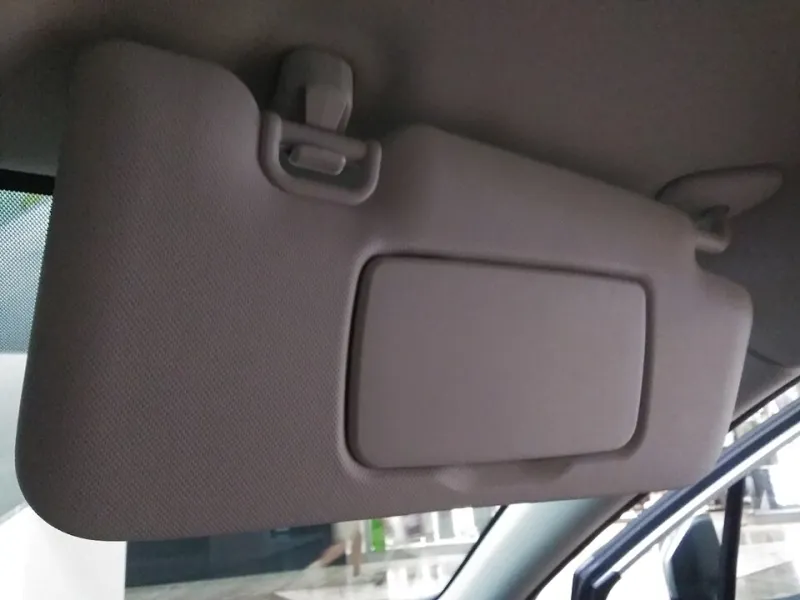
Photo: Bindydad123, CC BY-SA 4.0, via Wikimedia Commons
Let's be honest. If you own a WRX, you've probably got a browser tab open right now with something in a cart — maybe a short-ram intake, a blow-off valve, or a stage-whatever tune package. That's just the culture. We're wired to fix problems with parts. But here's the uncomfortable truth that experienced drivers, HPDE instructors, and amateur club racers have been trying to tell us for years: the single most underutilized performance upgrade for your WRX costs almost nothing, and it's not on any vendor's website.
It's seat time. Real, deliberate, feedback-driven seat time.
What the Stopwatch Actually Says
Talk to anyone who's been running Subarus at track days — autocross events, HPDE sessions at places like Mid-Ohio, Thunderhill, or Carolina Motorsports Park — and you'll hear the same story over and over. A stock WRX with a skilled, experienced driver regularly beats modified cars piloted by drivers who haven't put in the work behind the wheel.
Mike Caruso, an amateur autocross competitor from Ohio who's been running a lightly modified 2019 WRX for three seasons, put it bluntly: "I've watched guys show up with full bolt-on setups, catback, intake, tune — the whole thing — and I'm beating them by two, three seconds a run in a basically stock car. The mods didn't help them because they hadn't learned to drive the car yet."
That gap — two to three seconds — is enormous in competitive terms. For context, most bolt-on modifications on a WRX yield marginal real-world lap time improvements when driven by an average enthusiast. Suspension upgrades can help, sure. A proper alignment matters. But raw throttle-and-wheel skill? That's where the seconds are actually hiding.
The Feedback Loop Nobody Talks About
Here's what makes driving skill so different from hardware: it compounds. Every session teaches you something your car can't teach you through a parts swap.
Braking technique is the classic example. Most street drivers — even enthusiastic ones — brake too early and too gently. They're not trail braking, they're not modulating pressure through corner entry, and they're leaving significant time on the table before they even think about exit speed. An HPDE instructor can fix that in one session. A $1,200 big brake kit cannot.
Throttle control is the other side of that coin. The WRX's boxer-turbo combination is famously sensitive to mid-corner throttle inputs. Get it wrong and you're fighting understeer or, in a worst case, inducing snap oversteer on a slick surface. Get it right — learning the precise moment to start feeding in power as you apex — and the car transforms. Not because you changed anything, but because you finally understood what the car was already capable of.
Sarah Tran, a driving instructor who's coached at HPDE events across the Southeast, says she sees the same pattern constantly. "People come in thinking their car is the problem. They want more power, better tires, whatever. But then we spend a day working on vision and braking points, and suddenly their car has 'more grip.' Nothing changed. They just stopped fighting it."
The Gear-First Mentality and Why It's So Sticky
So why do we keep buying parts instead of lapping the car? A few reasons, and none of them are flattering.
First, parts are tangible. You can hold a downpipe, read its dyno numbers, and feel like you've done something productive. Skill development is invisible and humbling — you have to admit you're not as good as you thought you were before you can get better.
Second, the enthusiast community is built around modification culture. Forums, Instagram builds, YouTube channels — they're all optimized around hardware. Nobody's going viral with a video of their improved trail braking technique. But a new turbo install? That's content.
Third, and maybe most importantly, parts don't require you to fail publicly. Going to your first HPDE means being a beginner in front of strangers. That's a real psychological barrier for a lot of people who've spent years presenting themselves as the knowledgeable WRX guy in their friend group.
What "Deliberate" Seat Time Actually Looks Like
Not all seat time is created equal. Spirited weekend drives on your favorite back road are fun, but they're not the same as structured practice with measurable feedback. Here's what actually moves the needle:
Autocross events through the SCCA or local clubs are cheap (usually $40–$60 per event), low-risk, and incredibly educational. The tight courses force precision and teach car control at low speeds — skills that transfer directly to higher-speed situations.
HPDE track days give you the space to work on braking zones, corner entry speed, and vision. Many events have in-car instructors available for newer drivers. Organizations like NASA and PCA run events all over the country, and plenty of them are WRX-friendly.
Data logging turns your seat time into a feedback loop. Apps like Harry's LapTimer or a simple AiM Solo can show you exactly where you're losing time. When you can see your braking point moving earlier or later run-to-run, you stop guessing and start improving with intention.
Video review is the cheapest coaching tool available. A GoPro mounted inside the car will show you things that feel invisible in the moment — your hands moving too early, your eyes dropping to the apex instead of tracking through the corner, your throttle application coming in too abruptly.
The Parts Still Matter — Eventually
This isn't an argument against modifying your WRX. Sticky tires genuinely help. A proper alignment makes the car more predictable. If you're running a built motor on E85, that's a different conversation entirely.
But the honest sequence matters. If you haven't explored what your stock or lightly modified WRX can do in your hands, you're spending money to compensate for a skill gap that money can't close. The instructors who've watched this play out hundreds of times will tell you: the driver is almost always the slowest component in the system.
Fix that first. Then shop.
Your WRX is already a seriously capable machine. The Subaru engineers who built it weren't sandbagging — that platform has real performance DNA baked in from the factory. The question isn't whether your car can go faster. It's whether you've figured out how to actually let it.