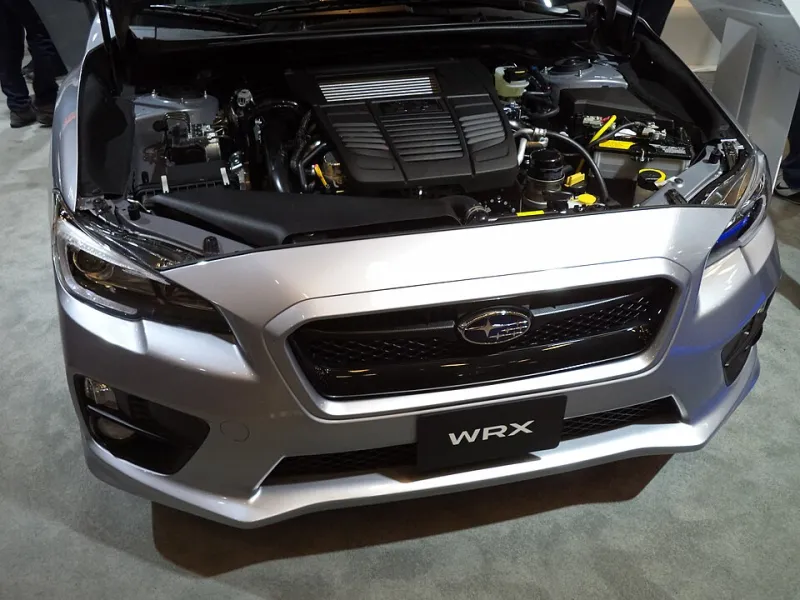
Slip, Grip, Gone: What's Really Killing Your WRX Clutch and How to Keep It Alive Longer
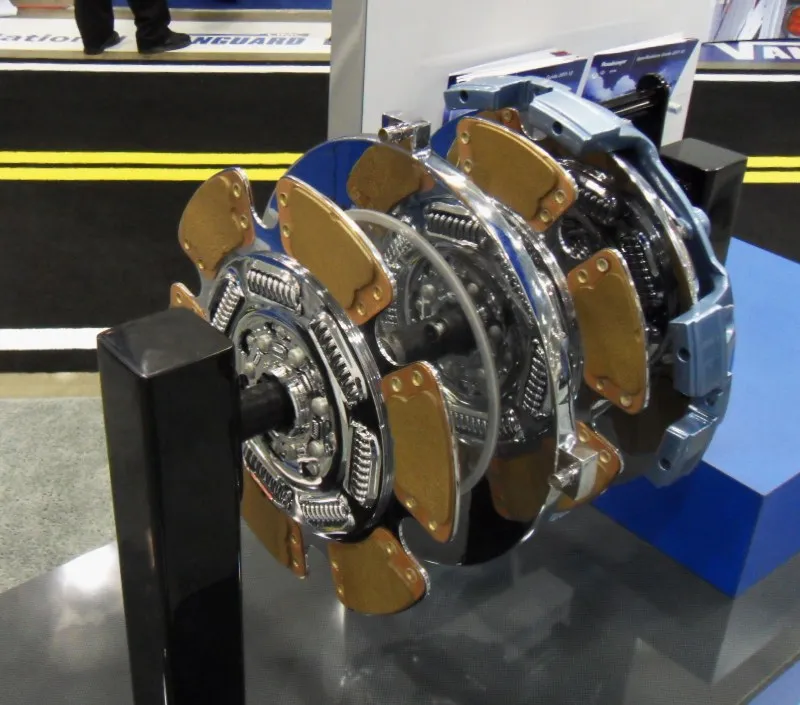
Photo: Tino Rossini from Toronto, Canada, CC BY 2.0, via Wikimedia Commons
Let's be honest — nobody thinks about their clutch until it starts slipping on a freeway on-ramp and suddenly their Saturday plans turn into a tow truck call. The clutch is one of those components that lives in the background, quietly absorbing punishment until it can't anymore. And on a WRX — especially a tuned one — that punishment comes fast and often.
This isn't a scare piece. It's a practical breakdown of what's actually going on inside that bell housing, why WRX clutches wear out the way they do, and what you can realistically do to push that lifespan as far as possible.
Why the WRX Platform Is Harder on Clutches Than You Think
Subaru's WRX has always been a performance car wrapped in a practical package, and that combination creates some specific stress points for the drivetrain. The boxer engine's torque delivery, combined with the symmetrical AWD system, puts a unique kind of load on the clutch disc. Unlike a rear-wheel-drive car where wheelspin can momentarily relieve drivetrain tension, the WRX's AWD setup keeps everything locked in — meaning the clutch absorbs the full shock of engagement every single time.
Add in the fact that a lot of WRX owners are commuting in stop-and-go traffic, attending track days on weekends, and maybe running a tune somewhere in the middle, and you've got a clutch living multiple hard lives at once.
Stock Clutch Lifespan: What to Actually Expect
Subaru's factory clutch on the WRX is a decent unit for what it's designed to do — handle stock power in normal driving conditions. In purely stock form, driven conservatively, you can reasonably expect 60,000 to 80,000 miles out of it. Some careful drivers have pushed past 100K. But that number drops significantly the moment real-world WRX behavior enters the picture.
Here's a rough breakdown based on power output and use:
- Stock power (~268 whp), daily driver: 60,000–90,000 miles
- Stage 1 tune (~290–310 whp), mixed use: 40,000–65,000 miles
- Stage 2 tune (~320–360 whp), aggressive driving: 25,000–45,000 miles
- High-horsepower builds (400+ whp): Stock clutch typically fails within months — sometimes weeks
These aren't guarantees, but they're realistic ranges based on what the community sees repeatedly. The clutch doesn't care how much you paid for your tune — it cares about how much torque and heat it's being asked to manage.
The Four Biggest Clutch Killers
1. Riding the Clutch in Traffic This one's painfully common. Holding the car on a hill or crawling through rush hour with the clutch partially engaged burns through the friction material at an accelerated rate. The slipping generates heat, heat glazes the disc, and glazing kills grip. It's a slow death, but it's consistent.
2. Aggressive Power Delivery After a Tune When you add a stage 2 tune and a catback exhaust, the car makes noticeably more torque across the rev range. Your clutch, however, is still the same stock unit that was spec'd for the original power curve. Every hard pull from a roll, every on-ramp sprint, is now asking more from the friction disc than it was designed to give.
3. Dumping the Clutch Launch control is cool. Dumping the clutch at 4,000 RPM repeatedly is less cool for your drivetrain. The shock loading on the disc, pressure plate, and flywheel during aggressive launches accelerates wear dramatically — and on a WRX, the AWD system means all that energy has nowhere to escape.
4. Overheating During Track Days Track use is the fastest way to cook a stock clutch. Extended sessions generate sustained heat that the OEM unit isn't designed to dissipate. If you're taking your WRX to autocross or HPDE events regularly, your clutch is on borrowed time unless you've upgraded accordingly.
Preventative Maintenance That Actually Helps
The good news is that clutch life isn't entirely out of your hands. A few habits and maintenance practices can meaningfully extend the time between replacements.
Learn proper hill starts. Use your handbrake on hills instead of riding the clutch to hold position. It's a simple swap in technique that saves a surprising amount of friction material over time.
Let the clutch fully engage before loading it. Slipping the clutch through an intersection or feathering it during a pull generates heat. Full engagement transfers power cleanly and keeps temperatures lower.
Check hydraulic fluid. The clutch master and slave cylinders on the WRX are hydraulically actuated, and degraded fluid can cause inconsistent pedal feel and incomplete disengagement — which means the disc may be partially dragging without you realizing it. Flushing the clutch hydraulic fluid every couple of years is cheap insurance.
Get a clutch inspection during other drivetrain work. If you're already in the transmission for any reason — differential service, transmission fluid change — have the shop assess clutch condition. Catching wear early is always cheaper than catching it on the side of I-5.
Stock Replacement vs. Aftermarket Upgrade: The Real Cost Conversation
When the clutch finally goes, you've got a decision to make. Labor for a WRX clutch replacement is significant — expect to pay somewhere between $600 and $1,000 in labor alone depending on your region and shop. Once you're paying that, the cost difference between a stock replacement and a quality aftermarket upgrade starts looking a lot less dramatic.
A stock replacement clutch kit runs roughly $300–$500 for the parts. A solid Stage 1 or Stage 2 aftermarket kit — from brands like ACT, Exedy, or South Bend — typically lands between $500 and $900 for the hardware. You're talking a $200–$400 difference in parts cost when the labor is already the biggest line item.
If your car is tuned past Stage 1, putting a stock clutch back in is essentially scheduling your next clutch job. The smarter move for most modified WRX owners is to step up to a clutch that's rated for your actual power output, not the power Subaru put on the window sticker.
That said, aggressive aftermarket clutches — particularly multi-puck designs — come with a tradeoff in daily drivability. They can feel grabby in traffic, require more leg effort, and be less forgiving during slow-speed maneuvering. For a daily driver that occasionally sees spirited driving, a street-oriented performance clutch hits the right balance. Save the race-spec units for dedicated track builds.
The Bottom Line
Your WRX's clutch is a wear item, full stop. But how fast it wears is largely within your control. Driving habits matter more than most people want to admit, and matching your clutch to your actual power level is one of the more cost-effective decisions you can make when it's time for a replacement.
If you're running a stock tune and treating the car reasonably well, the factory clutch will serve you fine for years. If you've got a tune, upgraded injectors, and a big turbo on the wish list — start budgeting for a proper clutch now rather than waiting for the slip to show up at the worst possible moment. Because it will show up, and it will pick the worst possible moment.